Aquarium Log Book Vol-2: A Tool for Systematic Aquarium Management
Maintaining a healthy aquarium is a complex balance of biological, chemical, and physical parameters. For enthusiasts seeking to move beyond casual hobbyism, systematic record-keeping becomes a critical practice. Aquarium Log Book Vol-2 is a digital, print-ready log book designed specifically for this purpose. It provides a structured format for tracking the essential metrics of aquarium care.
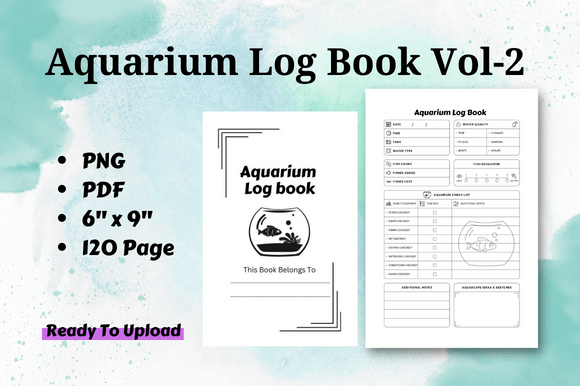
The product itself is a single PDF file, formatted at 6 x 9 inches, described as print-ready and high quality with no bleed. This indicates it is a digital template meant for personal printing and use as a physical notebook. The core proposition is straightforward: it offers a dedicated space to consistently record parameters like water temperature, pH, ammonia, nitrite, nitrate levels, maintenance activities, feeding schedules, and observations of fish and plant health.
Why Consider a Dedicated Aquarium Log?
For many aquarists, especially those with multiple tanks, sensitive species, or a desire to troubleshoot problems effectively, scattered notes or memory are insufficient. An aquarium log book transforms anecdotal data into a historical record. This allows the keeper to identify trends, correlate changes in water chemistry with animal behavior or plant growth, and provide accurate information to a veterinarian or fellow hobbyist if issues arise. Aquarium Log Book Vol-2 formalizes this process.
The benefits of such a system are practical and tangible. Consistent logging can lead to early detection of problems, such as a gradual pH drift or a creeping rise in nitrate levels, before they become crises. It also supports disciplined maintenance routines, ensuring filter cleanings or water changes are not overlooked. For those experimenting with new fertilizers, lighting schedules, or stocking densities, the log serves as a crucial experiment journal, making it clear what changes led to specific results.
Evaluating Aquarium Log Book Vol-2: Features and Trade-offs
The primary feature of Aquarium Log Book Vol-2 is its predefined format. This is a significant advantage for someone who wants a ready-made solution without designing their own charts. The print-ready file offers flexibility; users can print pages as needed, potentially binding a custom book. The 6x9 inch size is a portable, notebook-friendly dimension.
However, this format also presents certain trade-offs. As a static PDF, the template is fixed. It may not perfectly align with every aquarist’s specific needs—for instance, someone focusing solely on reef tanks might want to track additional parameters like alkalinity or calcium, which may not be featured. The user must evaluate whether the included sections match their priority metrics. Furthermore, the value is entirely dependent on user discipline; the tool itself does not analyze data or send reminders. It is an analog tool in a digital age.
A key consideration is the “print-ready” aspect. Users need access to a printer and must consider the long-term cost of paper and ink. Some may prefer a purely digital method, such as a spreadsheet or a dedicated app, which can offer data graphing, automatic calculations, and cloud backup. Aquarium Log Book Vol-2 caters explicitly to those who prefer the tactile, straightforward nature of pen-and-paper recording, which can be quicker for daily entries and doesn’t rely on a smartphone or computer.
Situations Where This Log Book Is a Strong Fit
Aquarium Log Book Vol-2 is particularly well-suited for certain scenarios. Beginners who are learning the importance of water parameter tracking and need a guided, simple structure to build consistent habits will find it helpful. It removes the guesswork of how to organize the data. Similarly, hobbyists with a dedicated “fish room” or several tanks will benefit from having a standardized, central log for all systems, making comparisons and management more efficient.
It is also a strong fit for those who value a physical record. A notebook can be left open next to the tank for quick entries, doesn’t require software updates, and becomes a personal, historical artifact of the aquarium’s journey. For educators or club members who need to demonstrate proper husbandry practices, a well-maintained log using Aquarium Log Book Vol-2 can serve as an excellent teaching tool.
When Alternatives Might Be Worth Considering
While Aquarium Log Book Vol-2 offers simplicity and physicality, alternative approaches may be more appropriate in some cases. Technologically inclined hobbyists who want data analysis might look towards aquarium management software or mobile apps. These can often generate trends graphs, set alerts, and backup data automatically, features a paper log cannot provide.
Alternatively, a custom-designed spreadsheet offers limitless flexibility at no direct cost, allowing the user to track exactly the parameters they want and manipulate the data easily. For the minimalist, a simple blank notebook offers total freedom in formatting, though it requires more initial effort to structure effectively. Finally, for those maintaining a single, low-maintenance tank, rigorous daily logging might be unnecessary; a basic calendar reminder for maintenance tasks could suffice.
Practical Decision-Making Insights
Choosing whether Aquarium Log Book Vol-2 aligns with your needs involves a realistic assessment of your aquarium goals and personal habits. Consider the complexity of your system. A planted tank with sensitive shrimp, or a reef aquarium, demands meticulous logging; a pre-formatted log can save time. Evaluate your preference for data access: do you need to review trends on your phone remotely, or is a shelf-bound notebook sufficient?
Think about integration with other tools. Many modern aquarium test kits come with digital log features or sync with apps. If you are already using such digital products, adding a paper system might create redundancy. However, if your process is primarily analog—using liquid test kits and manually adjusting equipment—the paper log integrates seamlessly.
Ultimately, Aquarium Log Book Vol-2 is a tool for enhancing observation and discipline. Its success depends on committed use. If you believe a physical, structured template will encourage you to record data more consistently than a digital method or blank journal, it represents a worthwhile investment. It serves as a tangible commitment to the scientific aspect of aquarium keeping, helping transform routine maintenance into a documented, learnable practice.
Before deciding, it is advisable to review a sample of the PDF, if available, to confirm the specific parameters and layout match your requirements. By aligning the tool’s fixed structure with your variable needs, you can determine if Aquarium Log Book Vol-2 will become a valuable asset in your pursuit of a thriving aquatic environment.