Diet Planner Journals: More Than Just a Notebook, Your Path to Healthier Living
In a world overflowing with nutrition apps, quick-fix diets, and conflicting health advice, a simple, tactile tool is reclaiming its place as a cornerstone of personal wellness: the diet planner journal. Far from being a relic of the past, these journals represent a purposeful, mindful approach to eating that technology often overlooks. Whether you are a beginner taking your first steps toward better nutrition or a seasoned health enthusiast refining your habits, a diet planner journal serves as your personal blueprint, turning abstract goals into tangible, daily actions.
What Exactly is a Diet Planner Journal?
A diet planner journal is a dedicated notebook or formatted space designed to track, plan, and reflect on your dietary intake and related health habits. Its core purpose is to create a structured yet flexible system for food logging, meal planning, and progress monitoring. Unlike generic notebooks, a well-designed diet planner includes sections for daily meal breakdowns, hydration tracking, symptom or energy level notes, grocery lists, and weekly reflections. It moves beyond simple calorie counting to encompass the context of your eating—the why, when, and how that shapes your nutritional choices.
The Core Components of an Effective Journal
To understand its significance, let's break down the typical elements:
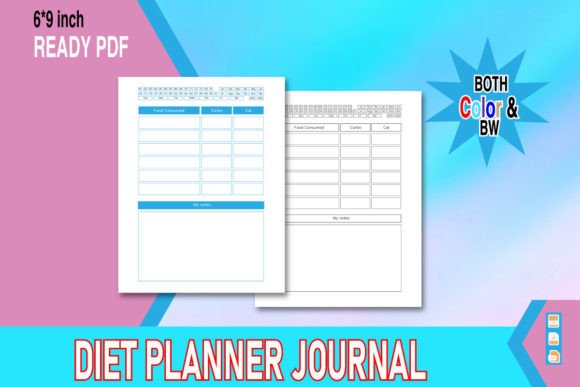
- Daily Meal Logs: Spaces for breakfast, lunch, dinner, and snacks, encouraging you to record not just what you ate, but approximate portions.
- Hydration Tracker: A simple water intake counter, a fundamental yet often neglected aspect of health.
- Mood & Energy Notes: Columns to jot down how you felt after meals or throughout the day, linking food to physical and emotional states.
- Weekly Goal Setting: An area to define small, achievable nutrition goals for the week (e.g., "add two servings of vegetables daily").
- Grocery & Prep List: A practical section to plan shopping and meal preparation, bridging the gap between intention and action.
- Reflection Pages: End-of-week spaces to note successes, challenges, and insights, fostering a learning mindset.
The Purpose and Significance: Why Writing It Down Works
The act of manually writing in a journal engages a different cognitive process than tapping on a screen. It requires mindfulness and creates a physical record of commitment. The primary purpose is to increase awareness and accountability. By consistently logging your food, you become more conscious of patterns, unconscious snacking, nutritional gaps, and trigger foods. This awareness is the first and most critical step in any sustainable dietary change.
Its significance lies in personalization. No algorithm can fully understand your unique lifestyle, preferences, and challenges. The journal is a tool for self-study, allowing you to identify what works specifically for you. It transforms nutrition from a one-size-fits-all doctrine into a personalized experiment, where you are both the scientist and the subject.
Clarifying a Common Misunderstanding
A prevalent assumption is that diet journals are solely for weight loss or restrictive diets. This is a narrow and often detrimental view. In reality, a diet planner journal serves a multitude of purposes: managing food sensitivities, optimizing athletic performance, ensuring balanced nutrition during busy periods, tracking symptoms for medical conditions, or simply building a healthier relationship with food. Its function is defined by the user’s goals, not by societal stereotypes about dieting.
The Practical Relevance in Modern Daily Life
In our fast-paced, digitally saturated lives, the journal offers a counterbalance. It fits seamlessly into various aspects of modern living:
Work & Busy Professional Life
For professionals, erratic schedules often lead to skipped meals, convenience food, and energy crashes. A planner journal acts as a strategic tool. By pre-planning weekly meals and packing snacks, you can maintain energy and focus. Recording how food affects your productivity (“felt sluggish after heavy lunch meeting”) provides data to optimize your workday nutrition.
Education & Learning Nutrition
For students or anyone learning about nutrition, the journal is an educational workbook. Tracking intake alongside studying nutritional principles allows you to see theory in practice. You can observe, for example, how increasing fiber actually affects your digestion or how protein distribution influences your energy levels.
Creativity and the Mindful Practice
The physical act of writing and planning can be a creative, calming ritual. Decorating the journal, using colored pens for different food groups, or sketching meal ideas integrates creativity into health, making the process more enjoyable and sustainable than a punitive checklist.
Technology Complement, Not Replacement
While apps provide speed and databases, journals provide depth and reflection. Many successful individuals use them in tandem: quick logging via an app during the day, followed by a reflective summary in the journal at night. The journal becomes the curated narrative of your health journey, while the app handles the raw data.
Examples in Action: How a Journal Creates Natural Understanding
Let’s walk through a practical scenario. Imagine “Sarah,” a freelance designer with irregular hours. Her goal is stable energy, not weight loss.
- Monday Planning: Sarah uses her journal’s weekly spread to note her busy client day Wednesday. She pre-plans a easy-to-pack lunch and high-protein snacks.
- Daily Logging: On Wednesday, she records her meals. She notes in the “mood” column that she felt focused and satisfied.
- Pattern Recognition: By Friday, reviewing her week, she sees a pattern: days with planned protein-rich breakfasts led to better morning concentration.
- Adaptation: In her weekly reflection, she writes this insight and sets a new, specific goal: “Prepare overnight oats with nuts for breakfast every workday.”
This example shows the journal’s role as a feedback loop—planning, acting, observing, and adapting—which is the essence of sustainable habit formation.
Diet Planner Journals for Daily Individual Use and KDP Interior Files
The versatility of the diet planner journal concept extends into its creation and distribution. For daily individual use, a journal can be a beautifully bound physical notebook purchased off the shelf, or a simple printable PDF used in a binder. The key is that it is tailored to the individual’s specific needs and preferences.
For creators and entrepreneurs, designing Diet Planner Journals as KDP (Kindle Direct Publishing) interiors represents a significant opportunity. KDP allows individuals to create and sell printed journals on platforms like Amazon. A well-designed KDP interior file is a print-ready PDF formatted to Amazon’s specifications, ensuring perfect printing when a customer purchases the journal.
What Makes a Print-Ready KDP Interior?
When producing a diet planner journal for KDP, the deliverable typically includes:
- A professionally formatted PDF file of the interior pages (all logs, planners, and sections), optimized for paperback printing.
- Often, a separate cover file (in 300 DPI JPG and PNG formats) that meets Amazon’s cover dimension and resolution requirements.
- The files are bundled, ready for upload. This turnkey product allows health coaches, nutritionists, or designers to share their journal systems with a wider audience, turning personal tools into helpful products for others.
This practical application bridges personal wellness tools and creative business, empowering individuals to share structured approaches to health with a global community.
Building a Broader Understanding: The Journal as a Holistic Health Hub
Ultimately, a diet planner journal is more than a food log. It can evolve into a central hub for holistic health tracking. Users often expand its use to include exercise notes, sleep patterns, meditation minutes, or gratitude entries. This reflects a broader understanding: nutrition does not exist in isolation. It intertwines with sleep, stress, activity, and mindset. The journal’s flexible format accommodates this integration, providing a unified view of your wellbeing ecosystem.
By starting with the focused lens of food and gradually widening the view, the journal teaches you about the interconnectedness of health factors. You might discover through your notes that poor sleep predicts sugary snack cravings, or that a morning walk improves your appetite for a nutritious breakfast. These are profound, personal insights that generic advice cannot provide.
Embarking on Your Journal Journey
Whether you choose a pre-made journal, design your own printable, or explore a KDP journal from an independent creator, the principle remains the same: consistent, mindful recording leads to empowered choice. It demystifies nutrition, reduces the anxiety of “what to eat,” and places you back in control of your health narrative. In an age of information overload, the diet planner journal offers a return to simplicity, clarity, and personal truth—one page at a time.
The journey to better health is not about perfection; it's about awareness and gradual improvement. A diet planner journal is your compassionate companion on that path, celebrating small wins, illuminating patterns, and transforming the complex world of nutrition into a personal, manageable, and deeply human story.