Canva KDP Notebook Cover Template: Your Creative Launchpad
For independent publishers and creators, the journey from a blank page to a finished book can feel daunting. Design, especially for the crucial cover, often becomes a roadblock. The Canva KDP Notebook Cover Template is designed specifically to remove that hurdle. It’s a digital, fully editable template created in Canva, providing a structured yet flexible starting point for your Amazon Kindle Direct Publishing (KDP) project. This isn’t just a static image; it’s a source file that gives you control, enabling you to craft a professional cover that fits your vision without requiring advanced design skills.
What Makes This Template a Practical Asset
The core utility of this template lies in its thoughtful construction. It arrives as two PDF files: one contains the actual Canva template link for the book cover, and the other provides a basic Canva template editing guide. This pairing addresses both the tool and the knowledge needed to use it effectively. The template is pre-set to the popular 8.5” x 11” size, optimized for a KDP black and white interior with 150 pages on white paper. By starting with these technical specifications already correctly configured, you bypass common formatting errors and can focus immediately on creativity.
The “fully editable” aspect is key. Every element—backgrounds, text boxes, color schemes—can be modified within Canva’s intuitive interface. You are not simply placing your title on a fixed background; you are adapting a complete framework. This empowers you to maintain professional design principles like alignment and hierarchy while injecting your unique brand, theme, or aesthetic. It’s a bridge between a blank canvas and a perfectly structured design, tested to work seamlessly within the KDP upload process.
Unlocking Creative Possibilities and Applications
Viewing this template merely as a notebook cover starter would limit its potential. It’s a versatile foundation for a wide spectrum of print-on-demand projects. Consider the following applications and stylistic directions.
Genre and Theme Adaptation
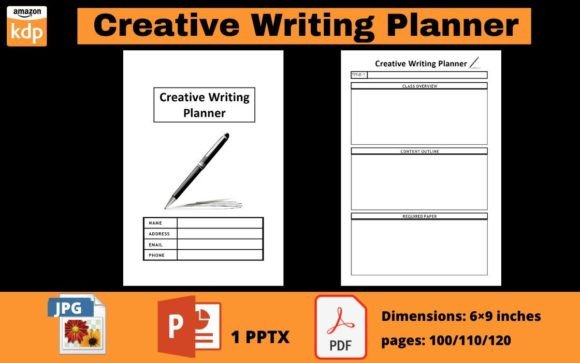
The clean, editable nature allows you to pivot the design to suit any notebook’s purpose. For a bullet journal, you might introduce minimalist lines, a subdued color palette, and elegant, functional typography. For a creative writing workbook, you could layer more artistic elements, inspirational quotes, or textured backgrounds. Educators can adapt it for course-specific notebooks, using subject-related icons and a more formal, authoritative font. Each shift in audience—from students to professionals to hobbyists—is facilitated by your ability to change every visual component.
Branding and Series Consistency
For entrepreneurs and small business owners publishing branded materials, consistency is crucial. This template can become the master layout for an entire series of workbooks, planners, or logbooks. By establishing a fixed layout for your logo, brand colors, and typography, and then saving it as your own custom template, you can produce a cohesive lineup of products quickly. This turns a single purchase into a scalable design system for your KDP business, ensuring your audience recognizes your products instantly.
Beyond the Standard Notebook
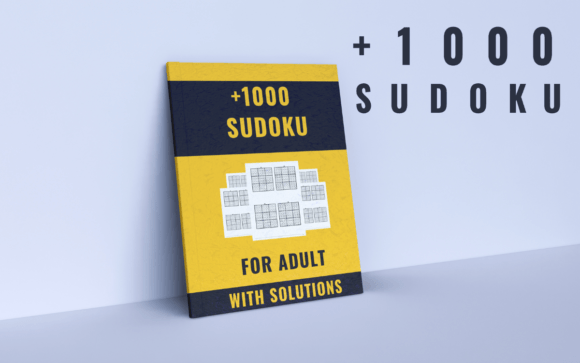
While sized for a standard notebook, the principles and editable file can inspire other formats. The design can be conceptually adapted for different KDP cover types—perhaps a smaller journal, a workbook with a different interior page count, or even a low-content book like a puzzle book. The key is using the provided framework to understand margin placements, title positioning, and back cover layout, which are transferable skills. The editing guide included helps you grasp these fundamentals, making you a more confident designer for future projects.
Tailoring the Template to Your Audience and Goals
A successful cover does more than look good; it communicates directly to its intended reader. Here’s how different creators can leverage the template’s flexibility to meet specific goals.
For the Marketer or Blogger: Your goal is conversion. Use the template to create covers that look like essential tools. Emphasize clear, benefit-driven titles like “The Ultimate SEO Planning Journal” or “Content Calendar Mastery Workbook.” Employ strong, confident colors and clean layouts that signal professionalism and results. The editable nature lets you A/B test different title fonts or color accents with minimal effort.
For the Educator or Freelancer: Your goal is clarity and authority. Adapt the template to feature more structured, orderly designs. Use sections on the cover to clearly state the subject, level, or purpose. A serif font might convey tradition and reliability, while a well-organized layout with clear borders speaks to methodical content inside. This builds trust before the reader even opens the book.
For the Hobbyist or Creative: Your goal is inspiration and connection. This is where the template’s full creative editability shines. Infuse it with personal artistry. Swap in custom illustrations, use vibrant, expressive color palettes, and choose handwritten-style fonts for the title. The cover becomes an extension of the notebook’s purpose—a welcome invitation to create, dream, or explore.
Practical Steps for Effective and Original Results
To ensure your final cover stands out and serves its purpose, follow a grounded creative process.
- Define Your Core Message First: Before opening Canva, decide what the notebook is for and who it’s for. This will guide every design choice.
- Audit the Template Structure: Open the provided template in Canva and examine its layers. Understand how the title, subtitle, and background are separated. This knowledge is power.
- Edit with Purpose: Change elements deliberately. Alter the background to reflect your theme; modify fonts to match your genre; adjust colors to align with your brand or the emotional tone of the book.
- Keep It Simple and Legible: Especially for KDP, clarity is paramount. Ensure your title is the dominant visual element and is easily readable even as a small thumbnail on Amazon.
- Use the Editing Guide: Refer to the included BASIC CANVA TEMPLATE EDITING GUIDE for straightforward technical steps. It’s your practical companion to avoid basic editing pitfalls.
- Test Before Publishing: Use Canva’s preview features and download a mock-up. View it on your phone and computer. Does it communicate what you intended? This final check is essential.
Remember, the Canva KDP Notebook Cover Template provides the runway, but you control the takeoff. It offers the confidence of a correctly formatted, tested foundation and the freedom of complete creative control. By approaching it as a professional tool—one you can adapt, reinterpret, and own—you transform a digital download into a tangible asset for your publishing journey, enabling you to add professional, audience-targeted covers to your books efficiently and effectively.