Your Essential 12-Step Log Book Interior for KDP Publishing
For many creators on Amazon Kindle Direct Publishing, the most challenging part of launching a book isn't the concept, but the execution. Designing a professional, functional interior that meets KDP's technical specifications can feel like a hurdle. That’s where a purpose-built resource like a 12 Steps Log Book KDP Interior shifts the entire process. It’s more than a template; it's a tested, ready-to-publish foundation for a specific, powerful genre of books—the guided log or journal. This interior provides a structured canvas for anyone looking to publish a workbook that helps readers track progress, reflect, and achieve goals through a systematic, step-by-step framework.
The Core Utility: A Pre-Tested Publishing Framework
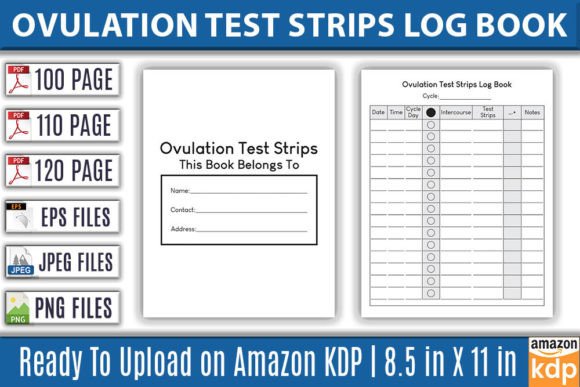
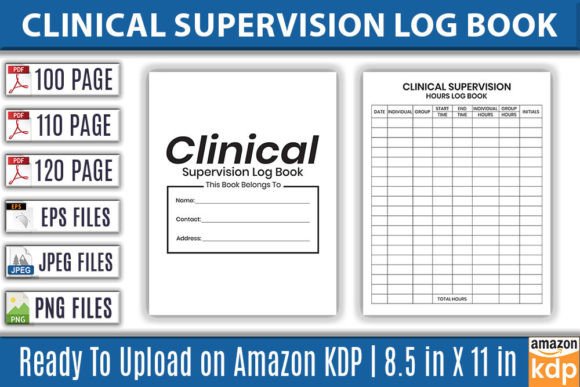
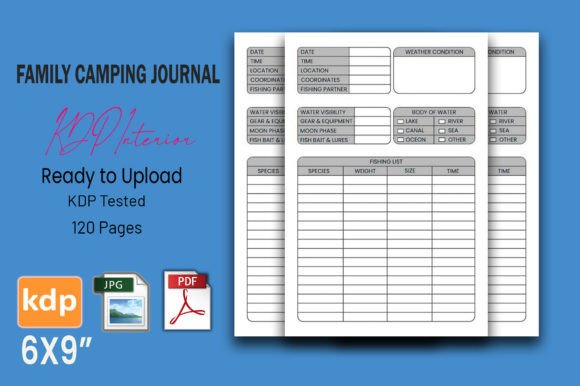
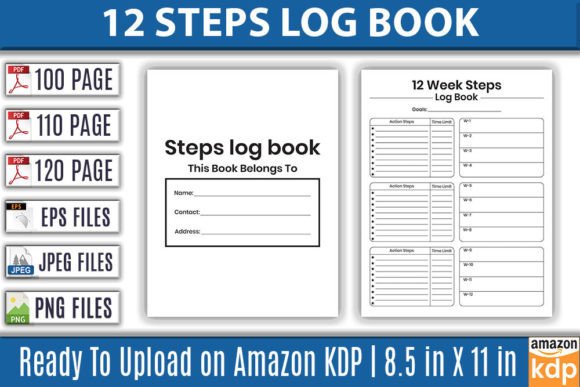
What makes this interior immediately useful is its grounding in practicality. It is KDP tested, meaning its formatting has already been validated against Amazon's print requirements. The technical specifications—including the 8.5×11 trim size, 300 DPI quality, and no bleed settings—are chosen for clarity and professional print results. This removes the anxiety of technical rejection. You receive a Print PDF file ready for instant upload, alongside editable original files like EPS, and bonus assets like PNGs with transparent backgrounds and high-resolution JPGs. This package empowers you to both publish immediately and customize deeply if you wish.
The interior is structured around 100, 110, or 120 pages, offering flexibility for the depth of your 12-step program. Each page is designed to facilitate logging and reflection. The “12 steps” framework is versatile; it can be applied to recovery programs, personal growth journeys, habit formation, skill-building tracks, or even creative project milestones. The interior provides the consistent, organized page layout needed for such a book, ensuring a clean, reader-friendly experience that feels authoritative and easy to follow.
Creative Applications and Audience Adaptations
The true creative potential lies in how you define the “12 steps” and for whom. This interior is a blank slate for your expertise. An entrepreneur might develop a "12 Steps to Launch Your Side Business" log book, with pages for weekly task tracking, budget logging, and milestone reflections. A fitness coach could create a "12 Weeks to Wellness" journal, adapting the pages for workout logs, nutrition notes, and mindset checks. An educator might design a "12-Step Science Project Guide" for students, using the pages to document hypotheses, experiment data, and analysis.
Adapting Style and Content for Specific Users
The key to effective adaptation is aligning the page layout’s function with your audience’s needs. For a more corporate audience, such as managers using a "12-Step Leadership Development Log," you might use the editable files to add more data-table structures and professional terminology. For a hobbyist audience, like artists following a "12-Step Creativity Challenge," you could emphasize space for sketches, inspiration quotes, and free-form reflections. The consistent underlying structure keeps the user on track, while your content personalization makes the journey relevant.
Consider the format possibilities beyond a standard paperback. The interior’s clean design also makes it suitable for large-format workbooks, binders, or even digital companion PDFs sold alongside a course. The high-resolution assets allow you to extract specific page designs for promotional materials or social media content, creating a cohesive brand around your log book.
Practical Implementation: From Idea to Published Book
Begin by clearly defining your 12-step program. Outline each step’s objective. What does the user need to do, learn, or record at that stage? Map these requirements onto the log book’s pages. Some steps might require multiple pages for repeated entries (like daily habit tracking), while others might need a single page for a final review or celebration.
Using the editable EPS files, you can tailor headers, instructions, and prompts. Maintain clarity: use strong, action-oriented language for prompts. Keep visual organization consistent—if you introduce a check-box system on page one, use it throughout. This consistency reduces user confusion and builds trust in your system. The original files give you control over fonts and colors, but remember that print readability is paramount. High contrast and clean typography always win over decorative flourishes in functional workbooks.
Ensuring Originality and Audience Connection
While the interior provides the framework, your voice and expertise fill it with value. Avoid simply copying generic motivational phrases. Draw from your own experience, observations, or professional knowledge. If your log book is for financial budgeting, include realistic, nuanced prompts that address common pitfalls. If it’s for learning a language, structure steps that build logically from vocabulary to conversation.
Think about the user’s journey. The log book should feel like a supportive tool, not a rigid test. Include pages for unstructured notes or unexpected obstacles. This humanizes the process. Your introduction within the book should clearly state the purpose, the benefits of logging, and how to use the interior effectively—making you the guiding expert behind the pages.
Beyond Publishing: Integrating the Log Book into Your Creative Ecosystem
Publishing this log book on KDP can be a cornerstone for broader projects. For bloggers and marketers, it becomes a tangible product that deepens audience engagement. You can write blog posts explaining each step, using the log book as the practical companion. For coaches and educators, it serves as a structured curriculum material. For freelancers in design, customizing and selling similar tailored interiors becomes a service niche itself.
The package’s inclusion of varied file types (EPS, PNG, JPG) opens these doors. You can repurpose individual page designs as worksheets for email newsletters, as printables on your website, or as visual aids in video tutorials. This multiplies the utility of your initial creative effort, turning a single KDP interior into a versatile asset for your brand or business.
Ultimately, the 12 Steps Log Book KDP Interior is a tool that bridges the gap between creative idea and published reality. It handles the technical heavy lifting while leaving the meaningful creative work—the definition of the steps, the crafting of the prompts, the connection with your specific audience—completely in your hands. It encourages a useful creativity grounded in structure, one that results in a professional, functional product ready to help real people track their progress and achieve their goals, one step at a time.